Skip navigation

2026 Presidential Roundtable for Public Institutions

Jan 27 – 28, 2026
Washington, D.C.

Partner Event

Interested in attending?

To register for this partner event, please log in.

Log In

Not a partner?

Contact us to learn more.

Contact Us

Join EAB for our annual roundtable exclusively for college and university presidents in Washington, D.C. This is your chance to participate in confidential, high-level discussions focused on the most pressing challenges your institution is facing today.

Attendees from our 2025 roundtable shared that connecting with fellow presidents provided invaluable insights and perspectives:

  • “The EAB Presidential Roundtable continues to serve my desire to have a place to discuss strategies, challenges and opportunities.“
  • “A great and valuable use of my time, always inspiring and pragmatic, with discussions that flow openly among peers.”

Event Details

Audience: This session is limited to presidents or chancellors at public institutions. Registration is limited to one attendee per institution.

The presidential roundtable for private institutions can be found here.

For travel planning: The meeting will commence at 12:00 p.m. on January 27 and adjourn at 12:00 p.m. on January 28. EAB will host a dinner for attendees on January 27.

  • “”

    Meeting Location

    EAB
    2445 M Street NW
    Washington, D.C. 20037
    202-747-1003

  • “”

    Hotel Accommodations

    Park Hyatt Washington DC
    1201 24th Street NW
    Washington, DC 20037
    202-789-1234

  • “”

    Reservations

    • $322/Room
    • Call 877-803-7534
    • Mention 2026 Presidential Roundtable to access our preferred rate or book online
    • Please reserve by January 5, 2026

Please make your reservation at your earliest convenience, as space and rates are subject to availability. For alternative hotel information, contact us at [email protected].

Agenda

Day One

Higher Ed’s New Era of Upheaval

Unpacking the Political, Financial, and Market Headwinds Reshaping the Sector

12:00 p.m.
Guest Arrival and Registration
Lunch Provided

1:00 p.m.
Welcome and Introductions

1:30 p.m.
Front #1: External Accountability
Adapting to Tenuous Public Support and Heightened Political Scrutiny

Public confidence in higher education has eroded over the past decade, leaving the sector politically exposed. That exposure has been sharpened by the Trump Administration, which has placed campuses squarely in the crosshairs through a wave of new restrictions, expanded oversight, and conditional funding decisions. While tempting to see these moves as a temporary turn in the cycle, many carry lasting effects and together signal a broader rewriting of higher ed’s social contract. For institutions, this means recalibrating to a more volatile environment and growing bipartisan pressures around cost, value, and outcomes.

Discussion questions:

  • What do you see as the “right” and “wrong” ways to respond to the compact, and which responses are most likely to shape public trust?
  • Where do you see the biggest opportunity to better align your institution’s actions with demonstrable public value?

2:30 p.m.
Break

2:45 p.m.
Front #2: Financial Sustainability
Confronting Business Model Strain Amid Dual Revenue and Cost Shocks

Higher ed’s financial model is under unprecedented strain as every major revenue stream and cost category comes under pressure. Net tuition returns are weakening under heavy discounting, federal and state funding has become more volatile, and operating expenses continue to outpace revenues. Recent enrollment gains have offered momentary relief but mask deeper fragilities that will become unavoidable as demographic decline takes hold in 2026. The years ahead will be bring unavoidable tradeoffs on scale, spending, and ambition—yet they also offer a chance to build a more durable model for the future.

Discussion questions:

  • How are you framing your institution’s financial situation to build shared understanding and urgency across your campus community?
  • Where are you considering scaling up or scaling back investments, and what tradeoffs are proving most difficult to navigate?

4:15 p.m.
Break

4:30 p.m.
Front #3: Market Relevance
Preparing Students for an AI-Transformed Knowledge Economy with Fewer Jobs

Artificial intelligence is beginning to reshape the knowledge economy in ways that can both expand productivity and constrain opportunity. Entry-level roles are increasingly disappearing or being redefined, reinforcing students’ and families’ doubts about the value of a degree. At the same time, employers are raising the bar and pushing higher ed to produce graduates who are job-ready on day one, even as campuses enroll a less academically and socioemotionally prepared generation of students. This shifting landscape is raising the stakes for how effectively campuses can address the growing mismatch between student needs, employer expectations, and market demand.

Discussion questions:

  • What signals from recent graduates and employers are shaping your view of the early-career job market?
  • Where might AI create new opportunities or avenues for strengthening higher ed’s value proposition for students and employers?

5:30 p.m.
Dinner

Day Two

Leading Through Sector Volatility

Driving Institutional Momentum Through Decisive Action and Strategic Focus

8:00 a.m.
Breakfast

8:30 a.m.
Front #4: Institutional Agility
Driving Campus Change to Unlock Opportunity in a Disrupted Sector

Disruption is unfolding faster than higher ed’s systems were designed to handle. Heightened political pressure, volatile finances, and skepticism about higher ed’s value proposition demand new levels of flexibility, prioritization, and resilience from campuses. The pressing question is whether institutions can adapt quickly enough to withstand sector shocks and seize the opportunities that follow.

Discussion questions:

  • What bold moves could position your institution for long-run gains despite near-term blowback, and how are you securing board backing for them?
  • How will faculty and staff roles and capabilities need to evolve over the next five years to match your institution’s ambitions and enhance agility?

9:30 a.m.
Leadership Lessons From the Frontier
A Panel Discussion on Advancing Bold Campus Changes

Presidents today must make high-stakes decisions quickly while managing intense scrutiny and stakeholder resistance. Bold changes in strategy, structure, or culture are often essential but difficult to sustain. This panel will bring together presidents who have advanced major transformations on their campuses to discuss what enabled decisive action, how they overcame obstacles, and what they learned in the process.

10:15 a.m.
Break

10:30 a.m.
Re-Wiring Strategic Planning
Moving From Initiative Proliferation to Distinctive Choices

With traditional strategic planning timelines out of sync with today’s pace of change, institutions need more agile ways to set and refine strategic direction—especially given the trends in EAB’s State of the Sector. We will highlight best practices and preview new resources to support dynamic planning, goal-setting, and cross-campus alignment.

Discussion questions:

  • Where are the biggest disconnects between your current strategic plan and the sector headwinds emerging now?
  • What are the top places where your institution could more clearly differentiate itself from peer competitors?

12:00 p.m.
Adjournment

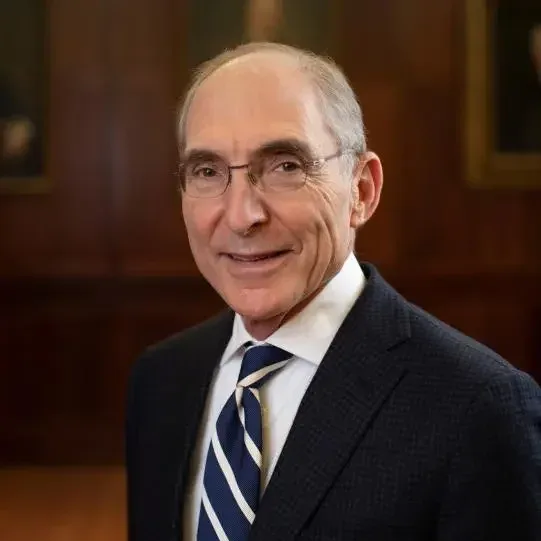
President smiling at 2025 Presidential Roundtable

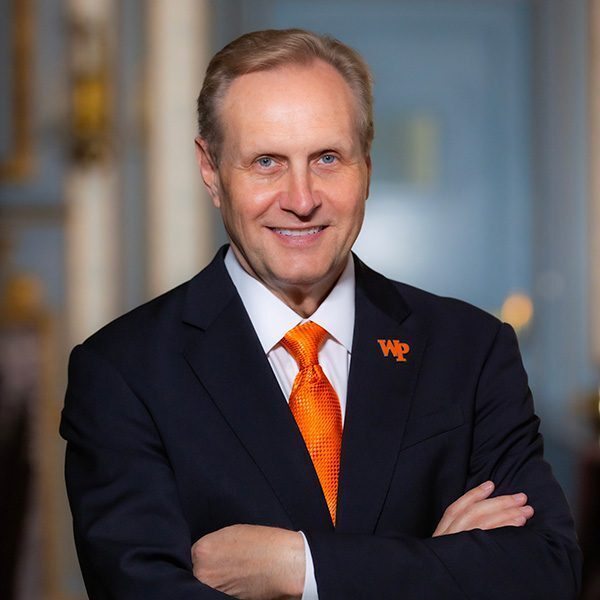
President chatting at 2025 Presidential Roundtable

Great to see you today! What can I do for you?