15 more campus visit tweaks that win over students
Spring is almost here, which means one of the most influential parts of yield season is right around the corner: the campus tour.
This post is part three in a series focused on how colleges and universities can strengthen the campus visit experience. Part one explored Admitted Students Day, and part two outlined 18 tour tweaks that win over students. If you have not revisited those yet, now is a good time. Each installment builds on the same idea: small, thoughtful adjustments compound into a visit experience that feels intentional, welcoming, and student-centered.Below are 15 more strategies that admission and events teams can implement this spring to elevate their campus tour experience.
Before the visit
Use your confirmation page as a marketing page
That page families see after clicking “submit” on a tour registration is prime real estate. Yet at many institutions, it functions as little more than a receipt.
Think about the moment someone books a vacation. The confirmation sparks curiosity about what to do next, where to go, and how to make the most of the trip. Campus visits create the same mindset.
When I served as director of admission at Tulane, my team built two-day sample itineraries for visitors and embedded them directly on the confirmation page. Dining recommendations, neighborhood highlights, and campus must-sees gave families immediate value and helped extend the visit beyond the formal tour.
These are some of your most engaged prospects. Treat that page like the marketing opportunity it is.
Be intentional with drip texting
Timing matters. A family that schedules a tour three weeks out does not need parking details right away. They do need reassurance that they are registered, and a calendar invite they can save.
Consider staging your messages in your drip campaign based on usefulness:
- Send a confirmation text immediately with an iCal link
- A week or two ahead, text a sample itinerary or a guide introduction
- The day before, share driving directions with a clickable address
- The morning of the visit, deliver a parking pass
When each message arrives at the moment it is most helpful, texts feel supportive rather than noisy.
First impressions
Set expectations before families arrive
Anxiety often shapes first impressions more than campus aesthetics. Families arrive wondering where to go, how early to be, and whether they are already behind. A short, clear pre-arrival message can remove that friction.
Consider sending a “what to expect” note the morning of the visit that includes where to check in, how early to arrive, and what will happen first. When visitors know what is coming next, they show up calmer, more confident, and more ready to engage with the experience you have designed.
Make often-forgotten spaces remarkable
Before families ever meet a tour guide, they have already formed opinions. Parking and restrooms are often the first interactions visitors have with your campus, and they are surprisingly memorable.
On high-volume visit days, consider placing staff in parking areas to help with directions and timing. I have seen otherwise strong visits derailed by parking confusion and late arrivals. When the logistics feel smooth, visitors arrive calmer and more open to the experience ahead.
During the tour
Stop at a physical map on campus
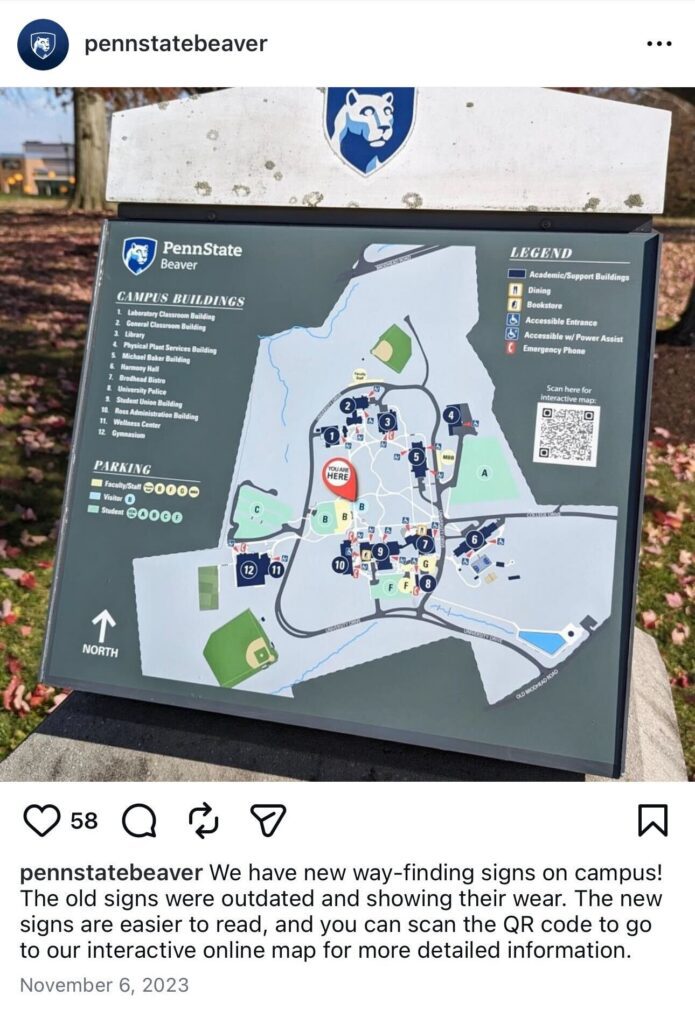
Campuses can feel disorienting, especially for first-time visitors. When guides pause at a campus map, they help families orient themselves physically and mentally. It gives context for what they have seen, what is still ahead, and how the campus fits together. It is also a natural moment to slow down and let the experience register.
Here’s an example of a helpful wayfinding map at Penn State.
Build the tour around campus energy
Students notice when a campus feels quiet. Energy matters.
Think intentionally about when your campus shows its best rhythm. Starting tours during class change, passing through dining halls at lunch, or crossing central quads when students are moving between commitments can all reinforce a sense of vitality. I once took a tour where I did not see a single student, and that absence became the defining memory. Plan your route to showcase moments of motion and connection.
Create an awe moment
Every strong tour includes a moment that stops people in their tracks. A sweeping quad, a stadium overlook, or a historic building at the right time of day. When tours try to include everything, nothing stands out.
Faculty understandably want their spaces highlighted, but the tours families remember are the ones anchored by a single, powerful visual or emotional moment. That pause, that view, that feeling of “I can see myself here,” is what lingers.
The United States Air Force Academy does this well in their Appily Virtual Tour. Check it out to see what it’s like to arrive on campus.
Use Easter eggs to keep visitors engaged
Small traditions can turn passive listening into active participation. Invite visitors to look for something along the route, whether it is architectural details, campus symbols, or beloved quirks. On one campus I worked with, families loved spotting the resident feral cats and their well-known “cat condo.”
These light, playful moments keep visitors engaged and give younger siblings a role in the experience as well.
People and connection
Create a tour story bank
Families respond to outcomes, not just statistics. A centralized, regularly updated story bank makes it easier for guides and staff to share real examples of alumni success.
One simple tactic is encouraging admission staff to connect with recruited students on LinkedIn. Many students actively post internships, first jobs, and career milestones. Those connections create a steady stream of outcome stories that feel current and authentic.
Group admitted students together
Many daily tours include a mix of prospective and admitted students. When possible, group admitted students together.
At Tulane, I would ask during the information session who had already been admitted. After a quick celebration, we placed those students on the same tour. They talked, exchanged social media handles, and began forming peer connections. That sense of belonging often matters as much as the campus itself.
Consider fewer, larger tours
If your institution offers several small tour options each day, it may be worth consolidating. Students are not only evaluating the campus. They are also looking at who else is there.
Larger tour groups create more opportunities for peer interaction. Parents tend to talk with one another. The visit feels more communal. In many cases, fewer well-attended tours can be more effective than many lightly attended ones.
-


Already an Enroll360 partner?
Get more recommendations like these in our Campus Visit Resource Center.
Invest in your guides
Offer a tour guide credit class
In an earlier post, I shared the importance of treating tour guides as ambassadors, not just student employees. One institution I worked with created a one-credit leadership course for new guides that met once a week. The curriculum covered campus history, storytelling, and public speaking, and it elevated the role in a meaningful way.
Formalizing training sends a clear message: this work matters.
Recognize your senior guides
Graduating guides hold an incredible amount of institutional knowledge and authentic outcomes content. Before commencement, take time to celebrate them.
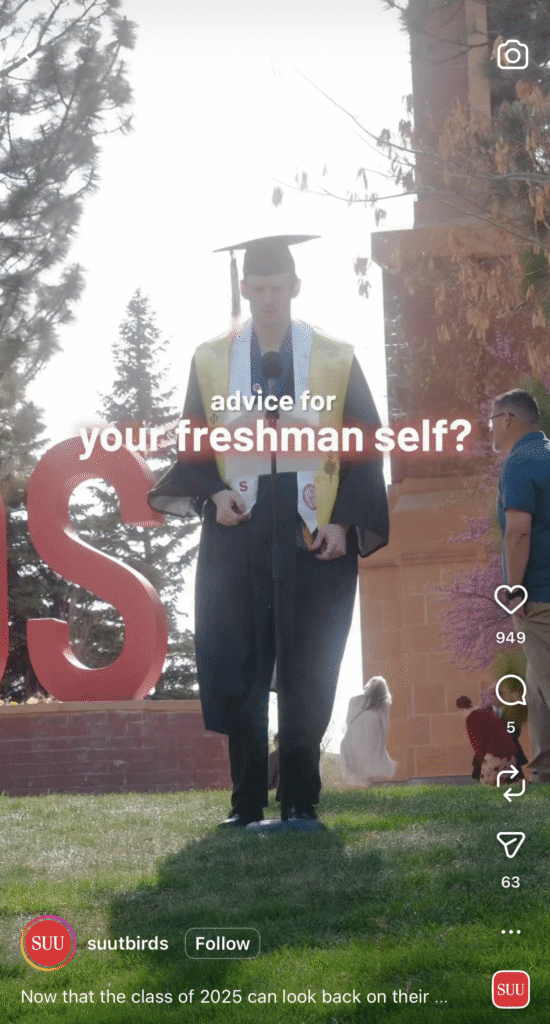
Some campuses host brunches or offer professional headshots for LinkedIn. During brunch, you can survey seniors about next steps and career paths. This is also an ideal moment to capture short reflections, such as advice they would give their first-year selves that can turn into social media posts. These stories are added to a story bank and become a method to honor your team while gathering stories that become much harder to collect once graduation passes.
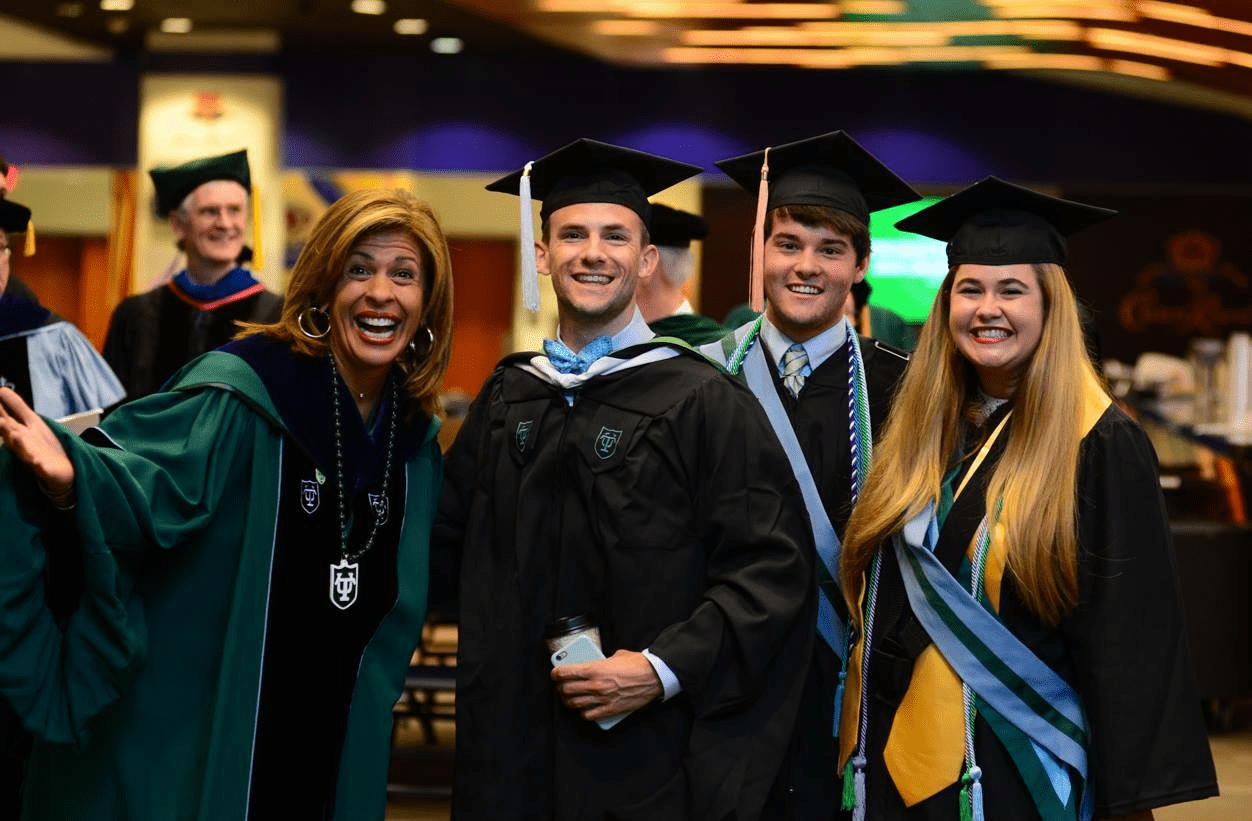
At Tulane, we also offered tour guides graduation stoles to give them special recognition. Here’s an example (with an appearance from yours truly!):
Build a tour guide splash page
Many visitors search for their guide before or after the visit. Others are quietly asking themselves whether they belong on your campus.
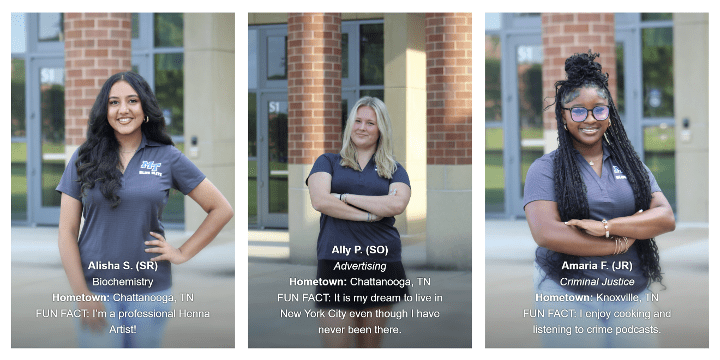
A well-designed tour guide page that highlights majors, interests, and personalities helps visitors picture themselves as part of the community. It humanizes the experience and reinforces that your students are the heart of the campus. MTSU is a strong example of this done well.
Pictured below: Tour guide photos featured on the MTSU website. See more here: Blue Elite Tour Guides at MTSU.
Great campus visits do not happen by accident
The most effective campus tours rarely rely on sweeping overhauls. They succeed because of intentional details, thoughtful timing, and an understanding of what students notice and remember. Each of these adjustments is small on its own, but together they create a visit experience that feels welcoming, confident, and student-ready.

More Blogs

Marketing teams are stretched thin. Here’s what the data says to do next.

Five tips to recruit community college students for this fall (and beyond)