5 digital marketing channels enrollment teams should prioritize
We’ve entered a period where social media is ubiquitous in daily life, AI is quickly reshaping the way we interact with the web, and channels that once delivered steady results aren’t as effective as they were. As the head of student marketing for Appily, I’ve had a front row seat to how students discover, research, and engage with colleges—and the rate of change in the college search process is ramping up.
In this post, I’ll share five digital channels that are worth your investment, along with tips to make best use of each.
1. Your .edu website (and the AI search ecosystem around it)
Your website is still one of your most important recruitment assets, but its role has changed. Instead of beginning their search on your homepage, students today may never end up there at all. They are more likely to encounter your school through a Google AI Overview, ChatGPT response, Reddit thread, YouTube video, college search profile, or comparison article. In many cases, AI-generated summaries are now shaping what students believe about your institution before they ever click through to your site—and 60% of google searches now end in no click.
But that makes your .edu more important, not less.
Your website is the source of truth that search engines, AI tools, students, parents, and third-party platforms rely on to understand your institution. If your content is outdated, hard to parse, overly generic, or buried in complex navigation, you risk losing visibility in both traditional search and AI-driven discovery.
As such, it’s important to create content for generative engines and search engines. Traditional SEO still matters, but it is no longer enough on its own. Enrollment teams should create web content that directly answers the questions students ask in conversational search environments. This is part of an evolving strategy known as Generative Engine Optimization (GEO) and should be considered just as important as traditional SEO. Notably, while GEO and SEO share many of the same foundational principles, they each play a distinct role in helping institutions maintain visibility wherever students are searching.
Think concise program explainers, comparison pages between your institution and peers, social proof, transparent cost and ROI content, and FAQ-style resources that make your institution easier to understand and cite. This information is directly useful to students and parents and, if structured effectively, can be pulled into AI platforms like ChatGPT and Gemini when students are exploring schools there.
Also, focus on making high-intent content easier to find. Students and families are looking for clear answers to practical questions: cost, scholarships, outcomes, majors, location, campus life, support services, application requirements, and next steps. Those answers should be easy to find, written in plain language, and structured in ways that both humans and AI tools can interpret.
Finally, be sure to keep your brand narrative consistent across the ecosystem. Your .edu does not exist in isolation. It is part of your wider digital footprint, which also includes search platforms, college search sites, and social channels. AI tools can draw from all of these sources, Make sure your strongest differentiators, like your academic strengths, outcomes, student experience, affordability, access, and fit, are clearly reflected across your site and your third-party digital footprint. Consistency across channels is increasingly as important as the content on your own site. Your institution will stand out if you tell the same compelling story wherever students encounter you.
2. Short-form video and social media
Social media is more than just a way to build awareness of your school; for many students, it is a discovery engine, a way to get validation from peers, and a window into what life at your institution actually feels like. Students want more than polished, perfectly lit photos of your campus. They want real, organic content, like student takeovers, day-in-the-life videos, residence hall tours, financial aid explainers, faculty clips, alumni stories, and unfiltered commentary from peers.
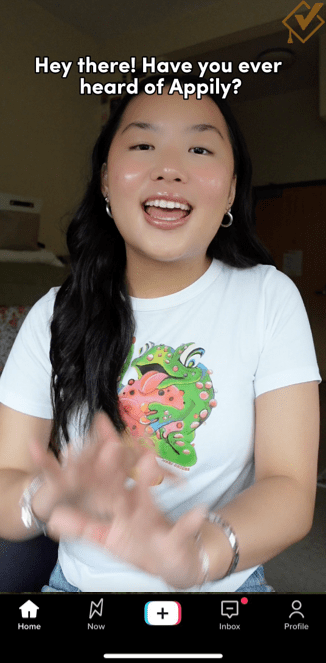
The most effective enrollment social strategies are platform-native, student-centered, and built around authenticity. Appily partners with student influencers regularly to create content that directly shares the student perspective, and when we do so, we give them leeway to use their authentic voice instead of following overly strict brand guidelines.
When assessing how to come across authentically and effectively on each channel, consider the following:
Think of TikTok and Instagram Reels for discovery.
As the most-used platforms among today’s students, these platforms are ideal for short, human, highly visual content that introduces students to your campus culture and student voices.
Instagram posts can be used for community and yield.
Instagram is valuable for admitted student engagement, campus life storytelling, event promotion, and parent-friendly visual content. Once students discover you through a Reel and decide to follow your account, give them a reason to stay. Nurture interest with a steady stream of content that doubles down on your institution’s differentiators and how they have specifically shaped your students’ lives and community for the better.
Use YouTube for depth and searchability.
YouTube remains one of the most important platforms for students seeking information. Use it for academic program explainers, student panels, “what to expect” videos, and evergreen content that can surface in search.
Create parent and family content where parents already are.
Parents are still a critical influence on college decisions, particularly around cost, safety, outcomes, and value. Your social strategy should include content that addresses their questions directly. We host a dedicated hub for parents (and another for counselors) on Appily.com to ensure we’re providing useful information and appearing in AI results and search engines to draw traffic to the site.
Don’t think of social media as a bulletin board; students don’t need generic reminders to apply. They need content that helps them picture themselves on campus, understand your unique value, and feel confident taking the next step.
3. College search platforms and student discovery marketplaces
In a more fragmented search environment, college search platforms like Appily remain a critical way to reach students who are actively exploring their options. Our recent research indicates that they serve as a connective source between all of a school’s other enrollment marketing activities.
These platforms matter because they capture students in moments of intent. A student building a college list, comparing programs, exploring scholarships, or indicating interest in specific institution types is sending valuable signals about fit and readiness.
This gives enrollment teams the opportunity to build lead volume and engagement with students who are demonstrating active interest and intent to attend college.
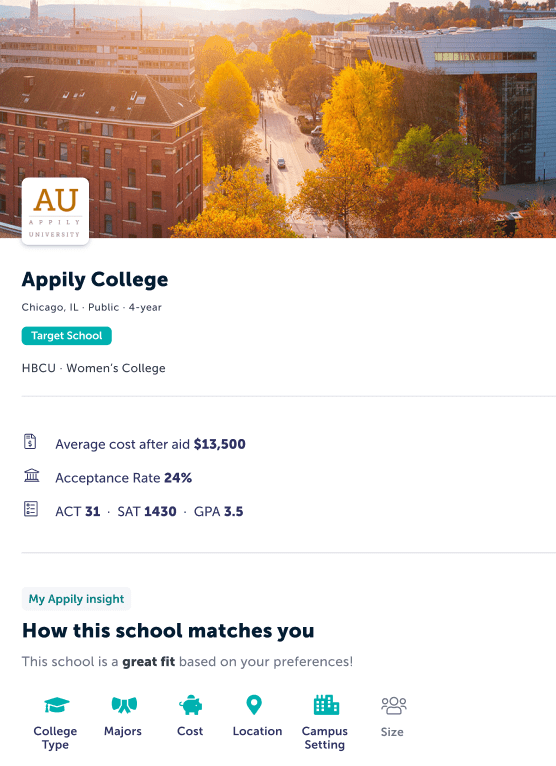
To get more value from college search platforms, institutions should prioritize fit over overly broad reach. Rather than focusing only on volume, enrollment teams should identify students whose interests, academic profiles, location preferences, intended majors, and engagement behaviors align with their enrollment goals.
It is also important to keep profile content on search sites current and compelling. Students may encounter your school on a search platform before they ever visit your website, so the profile should reflect up-to-date messaging, academic strengths, visit opportunities, and scholarship information.
Finally, don’t overlook the role of trusted counselor networks. The most effective college search platforms connect colleges not only with students, but also with the counselors and advisors who help guide their decisions. When counselors actively use and recommend a platform, institutions gain additional opportunities to build visibility, credibility, and engagement throughout the enrollment funnel.
4. Personalized email, SMS, and conversational engagement
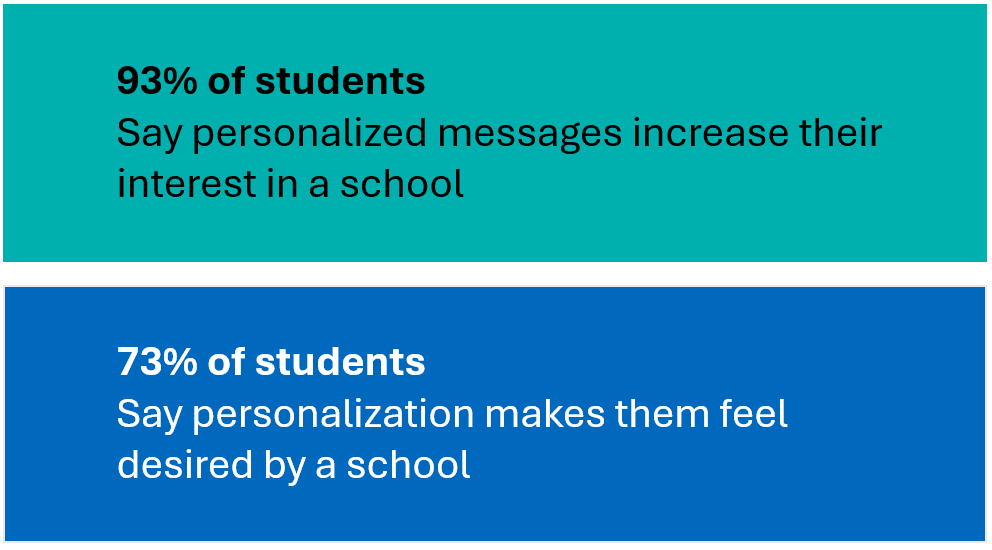
Today’s students expect communication that reflects who they are, what they care about, and where they are in the enrollment journey. In our survey of students engaged in college search, 93% said personalized messages increased their interest in a school.
Personalization equips enrollment teams is to move from campaign-based communication to behavior-based engagement. That means using data to tailor outreach by:
- Student segment: first-year, transfer, adult learner, graduate prospect, parent, rural student, first-generation student, out-of-state student, or intended major.
- Stage in the funnel: inquiry, stealth prospect, applicant, admitted student, deposited student, or melt-risk student.
- Demonstrated interest: academic program, visit activity, financial aid content, athletics, honors, outcomes, student support, or campus life.
- Preferred action: request information, schedule a visit, complete an application, submit FAFSA information, join an admitted student event, or connect with a counselor.
Conversational tools can help institutions meet rising student expectations for immediate availability and convenience. AI-powered chat, SMS workflows, and automated nudges can answer questions, remove barriers, and keep students moving forward, while allowing admissions teams to focus on relationship-building and complex advising conversations.
The key is with personalization is to use it thoughtfully. Students value relevance, but don’t like the feeling of being surveilled. The goal is to deliver information that reflects a student’s interests and needs without making them feel like every click is tracked and analyzed.
5. Virtual tours with immersive campus storytelling
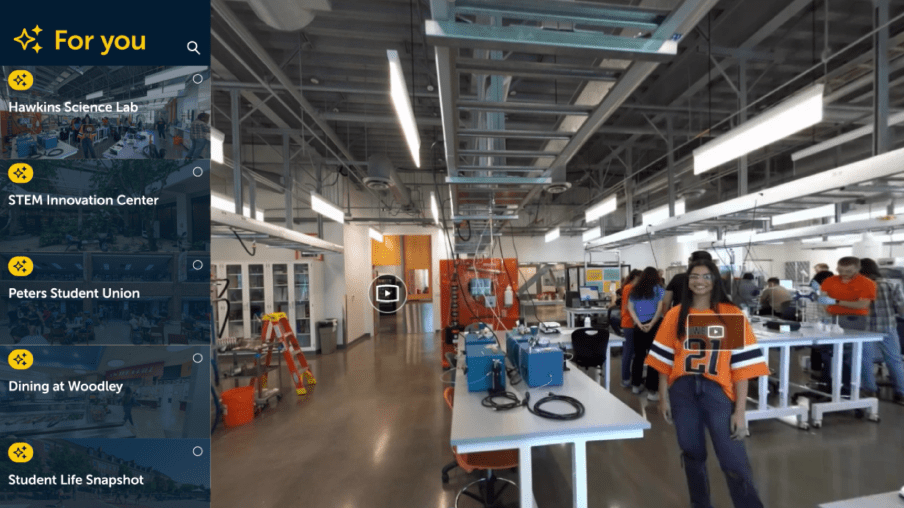
In today’s search marketplace, virtual tours with interactive maps, personalized campus exploration, video experiences, and digital event content are essential tools for expanding access, supporting early-stage discovery before an in-person visit, and reinforcing interest after a visit.
A strong virtual experience should do more than show off the quad and the beautiful buildings on your campus. It should help students answer questions that bring them further down the enrollment funnel, like:
- Can I see myself here?
- Will I find friends who like the same things I do?
- Does this school offer what I need to succeed academically?
- What would my daily life look like?
This means building a thoughtful and engaging tour tailored to each student’s needs. To make your virtual tour more effective at drawing attention and generating inquiries, ensure it is:
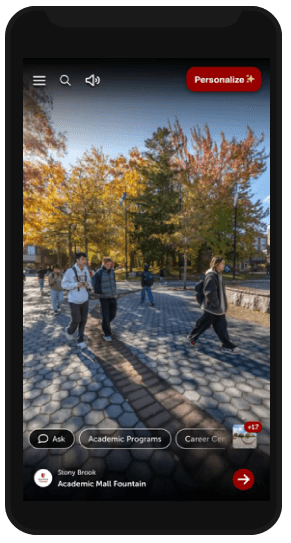
Immersive: Build the experience around student journeys, not just campus landmarks. Highlight the ways students actually live and spend time at your school.
Interactive: Let students click and explore freely by interest area, major, identity, or decision stage. An “on-rails” tour doesn’t feel relevant to today’s students.
Personalized: Students don’t want a generic overview or an extended walkthrough of every building on campus, they want to see the content most relevant to their interest (and they want to see it right away). When we recently implemented AI-guided tour personalization, students spent 49% more time exploring personalized tours over standard tours.
Accessible: Make the experience usable across devices and available to students with different access needs.
Measured: Track which experiences students engage with and how that activity correlates with application, visit, admit, and deposit behavior.
These are principles of design we focus on heavily when designing custom virtual tours for our partners.

Is your student recruitment strategy built for today’s students?
Staying relevant in today’s enrollment marketing environment requires some reflection on which channels you’re using and how to put them to best effect. I hope these tips and pointers are helpful as you plan how to capture student attention and share how your campus is the perfect fit for students in your audience.
Interested to learn more about how EAB can support your enrollment marketing strategy?
Complete the form and we’ll reach out soon!

More Blogs

How to talk about college cost before families bring it to the holiday table

What we’ve learned from testing earlier yield engagement