Sustainable student success strategies for higher ed leaders
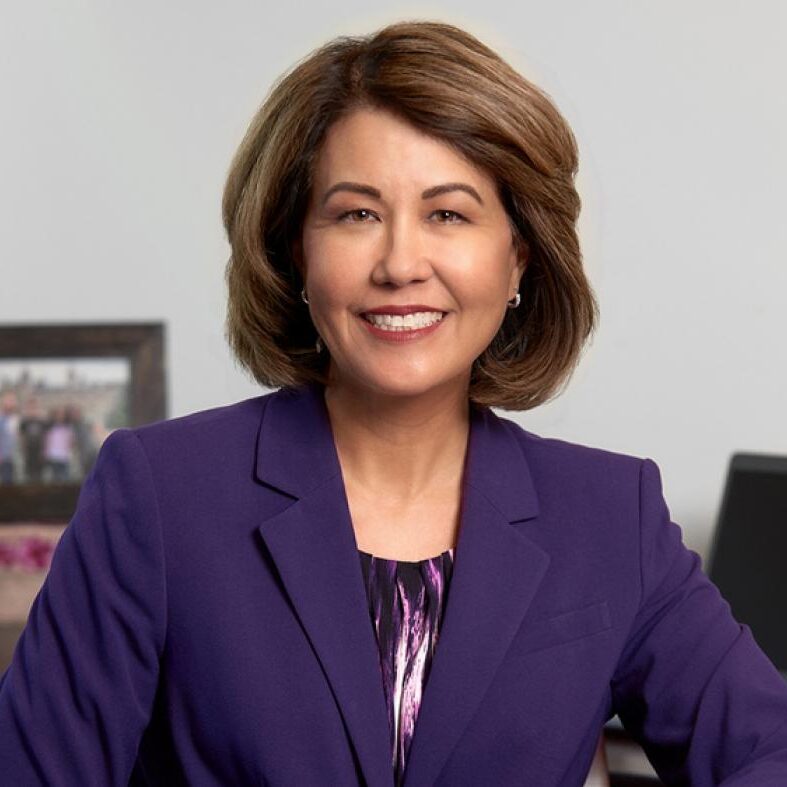
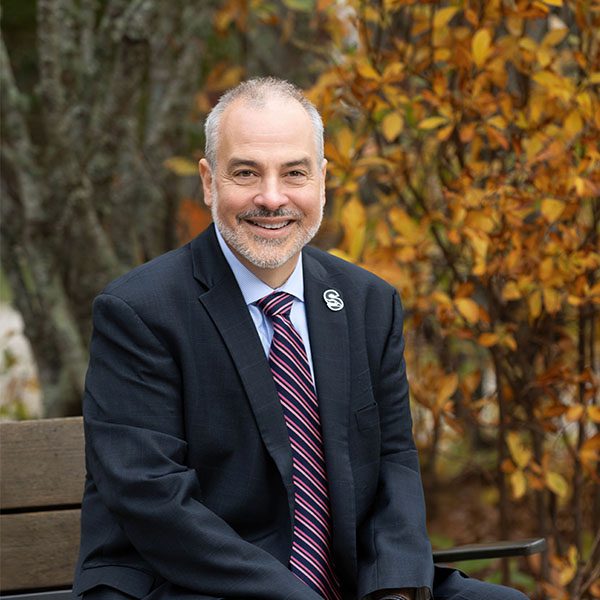
I recently sat down with three college presidents of Navigate360 partner institutions—Dr. Brian McGee at Quincy University, Dr. Stephanie Fujii at Arapahoe Community College, and Dr. Joe Bertolino at Stockton University—to talk about how they’re approaching student success in our rapidly changing times.
Their institutions look very different from one another, but throughout the conversation, all three kept coming back to the same point: today’s students need more connected support than most campus systems were built to provide. The needs are broader, the signals are harder to read, and it’s no longer enough to wait for students to ask for help. But leading your campus to a sustainable student success model is not easy.
The four lessons below offer a practical guide for other leaders.


Building a sustainable student success model: Four lessons for leaders
1. Break down silos so students experience support as one coordinated system
Hersh Steinberg: What student success challenge were you most intent on solving when you began working with EAB?
Dr. McGee, Quincy University: My campus is mostly residential. Our students are right on top of us in a lot of ways. We have stood up service after service to support students in and out of the classroom. The challenge is that those services get siloed. People do not always talk to each other. Sometimes redundant efforts happen, even on a campus as small as mine. We needed to bring those services together and give students and staff one shared place to work from.
Dr. Fujii, Arapahoe Community College: Our students are hard to get ahold of because they are going back and forth, working, taking care of kids, and juggling a lot of responsibilities. When you have a population that is coming and going, communication is very challenging. To be able to communicate with students from the beginning, nudge them, and remind them of what they need to do has been instrumental.
Dr. Bertolino, Stockton University: When I arrived at Stockton, I was surprised we did not yet have a student success tool that spanned academic affairs and student affairs. It became critical that implementation be truly collaborative across those areas. We also needed real-time data to inform the people providing support. Everyone was using email. I do not need to say much more, but this generation of college students does not use email the same way.
The students we serve today are not the same students we served even five years ago.
Joe Bertolino, President
Stockton University
2. You need shared student data that moves across offices in real time
Hersh: Where has a more connected approach to student support made the biggest difference?
Dr. McGee: For us, Navigate360 has made our student success efforts more visible. It has helped us change course quickly when the data shows that something is wrong. Maybe a student is in the wrong place at the wrong time. Maybe assignments are not being completed. Maybe responsiveness is not there. It has allowed us to chase down students one at a time and address their individual problems. Today, the students we are losing are not being lost because we did not notice they were struggling until it was too late.
I spent a career as a chief academic officer finding out too late about individual student problems. Now we can see in week three or week seven that we need to help a student quickly, academically or through student affairs. We are not only getting the data. We can act on it.
For us, Navigate360 has made our student success efforts more visible. It has helped us change course quickly when the data shows that something is wrong.
Dr. McGee, President
Quincy University
Dr. Bertolino: It has given faculty and staff a platform to share information. It has also helped us bring multiple areas into the work. At Stockton, we talk about an ethic of care. That means treating members of our community with dignity, respect, kindness, compassion, and civility. Navigate360 connects directly to that because it helps us focus on students where they are now, not where we would like them to be.
The needs of students have increased. The work of our faculty and staff has also changed. Many faculty will say, “This is not what I signed up for.” They signed up to educate, but now there is all this other work that comes with supporting students. Navigate360 helps us acknowledge that roles have expanded. It also gives us a shared tool for work that had become too fragmented.
3. Clear visibility builds momentum by showing what’s working
Hersh: How has better access to shared data changed culture, accountability, and decision making?
Dr. Fujii: We used to think of tools like this as warning systems. The reason I prefer calling Navigate360 a student success tool is because we’re also celebrating the successes. It provides data that shows faculty and staff that their actions made a difference.
It’s not just referring a student to tutoring—it’s seeing that the student went, and that their grade improved. Correlation is not causation, but it still gives us something to learn from. And in a time of declining resources and increased accountability, a tool that allows for coordinated, intentional, proactive interventions that yield a real difference for a student—that’s not optional. That’s essential.
We’ve also used it to make budget decisions. People often want to cut student life at a community college. But when you can track students attending those events and connect it back to persistence data, the conversation changes. Students who are connected to the institution are more inclined to persist—and now we can see that, not just assert it.
Dr. McGee: On a lot of small private campuses, there’s an assumption that the magic happens because there are fewer students and many faculty and staff sitting close to them. That just wasn’t true when I arrived. Everyone thought someone else would take care of them. Staff meetings were full of old data or anecdotes. Now we’re working with data from the current semester that give us time to intervene.
In a time of declining resources and increased accountability, having a tool that allows for coordinated, intentional, proactive interventions that yield a real difference for a student—that’s not optional. That’s essential.
Dr. Fujii, President
Arapahoe Community College
4. Lead change by connecting it to the shared mission
Hersh: At the presidential level, how do you help set the tone for this kind of change?
Dr. Fujii: Faculty and staff care about students. They want students to be successful. They want students to complete. They want students to experience social and economic mobility. So when we say, “Here is a tool that helps you do that,” it changes the conversation. It is not just about compliance. It is about giving people a practical way to support the students they already care about.
Dr. McGee: We said up front, “We know this is going to be a culture shift.” But we also said we were going to model a strong software implementation and make an immediate difference. That meant training faculty, staff, and students. It also meant making it clear that this was not optional.
At the end of the process, faculty who were incredibly jaded said, “My goodness, we did this right, and it is working.” That has been part of the excitement here.
Student success looks different today
Students today are dealing with more than ever —and the people who support them are being asked to do the same. Leaders at institutions of all shapes and sizes are using their unique vantage point to break down silos, bridge teams and technology, and get the right people talking to each other at the right time. The result is a more connected campus — where students get the support they need, and staff have a sustainable way to provide it.
Navigate360 helps institutions coordinate student support, act on real-time insight, and build a stronger student success strategy. To see what this would look like on your campus, click here.

More Blogs

How to improve student success in short-term credential programs

How to improve graduate student retention