Why parents belong in your donor growth strategy
As advancement leaders look for new ways to grow their programs and bring in more philanthropic support, expanding the donor base has to be part of the strategy. That means looking beyond the audiences you already engage most heavily and identifying new groups that could become an important part of your donor pipeline.
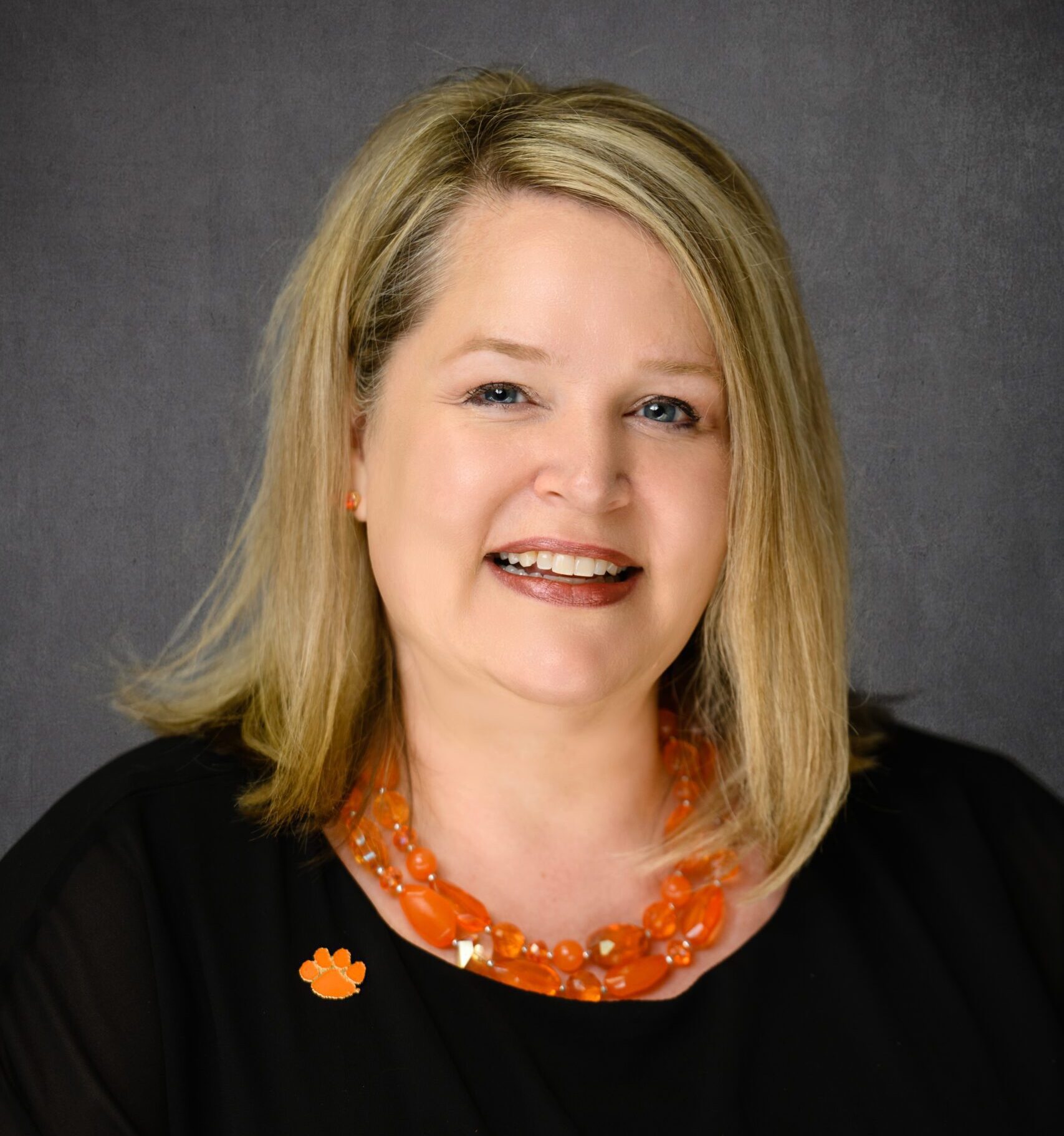
Missy Penland, Senior Associate Vice President for Development, Clemson University
Parents are one of those audiences, but engaging them intentionally is not always straightforward. Parent relationships often span multiple parts of campus, and without clear ownership or a defined approach to cultivation, they can receive less attention from advancement than alumni and other established constituencies. This can lead to missed opportunities to build lasting donor relationships and generate meaningful revenue.
To better understand what it takes to engage parents effectively as donors, I spoke with Missy Penland, Senior Associate Vice President for Development at Clemson University. Clemson has spent years building its parent engagement and giving strategy, and Missy shared what her team has learned about when to engage parents, how to deepen those relationships, and how to create clearer pathways into giving.
What Clemson has learned from more than a decade of engaging parents
Clemson University has built its parent engagement and giving program over many years. Today, the university raises millions annually from parents whose connection to Clemson began through their child’s enrollment.
How has Clemson’s approach to parent engagement and giving evolved over the years?
Missy Penland: You almost have to look backward to understand where we are today. More than a decade ago, we started thinking differently about how we engage parents. Instead of viewing them as belonging to one college or unit, we started thinking of them as university prospects.
From there, we built the program step by step. We started getting parent data earlier and creating more opportunities to engage families, from move-in and campus events to parent gatherings around the country. We also built clearer paths into our DXO and major gift programs.
Over time, that has helped us build a much more intentional approach to parents across the university. What started as a smaller effort has grown into a broader strategy for engaging families and creating stronger opportunities for philanthropy.
The first step in building stronger parent engagement is understanding what makes this audience different and why their connection to the institution can be so meaningful.
Why are parents such an important audience for advancement?
Missy: For parents, so much of life revolves around their kids. They want to be involved in the communities that are helping shape them.
Parents are really living on the front lines of the student experience. They see firsthand what the university is doing for their child, and for some families, that creates a desire to help other students have access to that same kind of opportunity.
And the more connected they become, the more the institution can start to feel like theirs too. If you have two or three kids coming to the same university, at some point, it becomes part of your family’s story.We’ve seen that happen at Clemson. The Snow family’s relationship with the university began as parents, but over time their engagement grew far beyond their children’s individual experience. That relationship has since led to significant philanthropic support across Clemson, including a transformational $25 million gift.
That connection gives advancement teams a strong foundation to build on, but timing matters. There is a period when parents are especially close to the institution, and Clemson has learned to make the most of it.
When is the best time to start engaging parents?
Missy: You have this really concentrated window of time when parents are naturally close to the institution because their child is here. The question is how you use those four or five years to engage them, get them excited, and help them start investing in the mission, not just paying tuition.
For some parents, that connection may fade after graduation. But for others, it grows into something bigger than their child’s individual experience. That’s the opportunity. You’re building a relationship with the university that can continue long after their student leaves.
Starting early gives advancement teams more time to build the relationship. As parents become more engaged, the next challenge is recognizing when there may be an opportunity to take that relationship further.
How does Clemson identify which parents are ready for deeper engagement and move those relationships forward?
Missy: Our parent team starts from a university-wide perspective rather than being tied to a particular college or unit. That gives us a chance to get to know families broadly before deciding where a deeper relationship may make the most sense.
From there, we look for signals. Some parents may move into our DXO program, others directly into major gift portfolios, and for some, it eventually makes sense to connect them with a gift officer in their student’s college. The important thing is having a clear next step rather than engaging parents broadly and just hoping something happens.
Having a clear path matters, but strong parent engagement still depends on understanding each family and what matters most to them.
What have you learned about what works when engaging parents as donors?
Missy: The basic rules still apply. You have to understand where people are in their life journey, what motivates them, and what they want to make a difference in.
Sometimes we show up focused on what our institution needs, which is our job. But you also have to ask: Where is this family? What are they excited about? There’s no one right or wrong way to do this if you continue to show up authentically. You have to treat parents like every other donor.
For advancement leaders looking to strengthen their own parent program, Clemson’s experience is also a reminder that meaningful progress takes time.
What advice would you give to a leader who wants to build a stronger parent program?
Missy: Take it one step at a time. We’ve been doing this for more than a decade, and I wouldn’t have thought then that we would be where we are today.
Changing a culture takes time, especially when teams across campus have built strong relationships and care deeply about maintaining those connections. Start somewhere and keep building. And if your team experiences turnover, document the plan and the vision so the next person can pick it up and keep moving forward instead of starting over. Eventually, you’ll look in the rearview mirror and realize how far you’ve come.
Parents can be a powerful part of your donor growth strategy
Not every parent will become a major donor, and some may not be in a position to give at all. But many will want to stay connected to the institution that is shaping such an important part of their child’s life.
The opportunity is to begin building that relationship early and give it room to grow. Use data and engagement signals to understand each family, recognize where there may be philanthropic potential, and create opportunities that reflect their interests and level of engagement.
That is also where EAB’s Advancement Marketing Services can help. We work with advancement teams to reach broader audiences, build more relevant engagement strategies, and create the sustained donor connections that can lead to long-term giving and growth.
Continue the conversation
Want to explore how parent engagement could fit into your broader donor growth strategy? Share a few details and a member of our team will follow up.

More Blogs

Turn institutional priorities into reasons to give

What comes after a successful fundraising campaign?